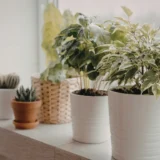
Imagine taking a deep breath of fresh, clean air in your office or home—air naturally filtered by living plants working silently around you. In our modern world where we spend approximately 90% of our time indoors, air quality has never been more critical to our health and productivity.
At Nanya Realty Pvt. Ltd., we understand that creating healthy indoor environments extends beyond traditional facility management. While most people know plants add aesthetic value, fewer realize that with proper indoor plant management, these green companions become powerful allies in maintaining superior air quality.
This guide provides practical, science-backed strategies for managing indoor plants that actually deliver cleaner, healthier air.
Understanding How Plants Purify Indoor Air
Plants purify air through multiple mechanisms. During photosynthesis, they absorb carbon dioxide and release oxygen. Their air-cleaning abilities extend further—plant leaves absorb gaseous pollutants through tiny pores called stomata, while root systems and soil microorganisms break down harmful chemicals into harmless byproducts.
Research shows that a plant’s air-cleaning capacity improves over time when continuously exposed to pollutants, as soil microorganisms adapt to become more efficient at breaking down specific toxins.
Selecting the Right Air-Purifying Plants
Success begins with strategic selection. Here are proven air-purifying plants combining effectiveness with manageable care:
Spider Plant (Chlorophytum comosum): Excels at removing formaldehyde and carbon monoxide. Virtually indestructible, perfect for beginners.
Snake Plant (Sansevieria trifasciata): Converts carbon dioxide to oxygen at night, ideal for bedrooms. Tolerates low light and requires minimal watering.
Peace Lily (Spathiphyllum): Removes alcohols, acetone, benzene, and formaldehyde. Provides visual cues when needing water by drooping slightly.
Pothos (Epipremnum aureum): Tolerates various light conditions and efficiently removes multiple toxins.
Rubber Plant (Ficus elastica): Particularly effective against formaldehyde—the most common indoor toxin. Thrives in dim light and cooler temperatures.
Essential Indoor Plant Management Tips
1. Strategic Placement for Maximum Impact
Location determines both plant health and air-cleaning efficiency. Match plants to appropriate light conditions based on their natural habitat. South-facing windows provide bright, direct light ideal for succulents. East and west-facing windows offer moderate light suitable for most tropical plants. North-facing locations work for low-light tolerant varieties like pothos and snake plants.
Consider air circulation patterns. Place plants near areas where air naturally moves, but away from direct heating or cooling vents. Grouping plants together creates beneficial microclimates with increased humidity.
2. Mastering the Watering Balance
Overwatering kills more houseplants than any other factor. Check soil moisture before watering by inserting your finger about an inch into the soil. If dry, water thoroughly until water drains from bottom holes. If moist, wait.
Develop a checking routine rather than a watering schedule. Temperature, humidity, pot size, and growth stage all affect water needs. Most plants grow actively in spring and summer, requiring more frequent watering, while winter demands less.
3. Maintaining Optimal Light Conditions
Light powers photosynthesis, driving both growth and air purification. Insufficient light weakens plants, reducing their air-cleaning capacity. Research your specific plants’ light needs and monitor their response.
Signs of inadequate light include leggy stretched growth, pale leaves, and dropped lower leaves. If natural light is insufficient, supplement with full-spectrum LED bulbs. Position lights 6-12 inches above plants, mimicking natural day/night cycles.
4. Keeping Leaves Clean
Dust-covered leaves cannot effectively purify air or photosynthesize. Make leaf cleaning part of regular maintenance. Gently wipe large leaves with a damp, soft cloth monthly. For plants with many small leaves, spray them with room-temperature water every 4-6 weeks.
5. Providing Proper Nutrition
Indoor plants need periodic nutrition replenishment. Feed plants during active growing season (spring and summer) with balanced, water-soluble fertilizer diluted to half-strength. Most indoor plants benefit from monthly feeding during growth periods.
Reduce or eliminate fertilization during fall and winter when most houseplants enter semi-dormancy. Over-fertilization causes salt buildup that can burn roots.
6. Managing Humidity Levels
Many popular houseplants originate from tropical environments with high humidity. Indoor air, especially during winter heating, can be uncomfortably dry. Symptoms include brown leaf tips, crispy edges, and stunted growth.
Boost humidity by grouping plants together, placing pots on trays filled with pebbles and water (ensuring pots don’t sit directly in water), running a humidifier, or regularly misting foliage.
7. Monitoring Plant Health
Healthy plants clean air more effectively than struggling ones. Inspect plants regularly for signs of stress or pests. Yellow leaves may indicate overwatering or nutrient deficiency. Brown, crispy edges often signal underwatering. Pale, leggy growth suggests insufficient light.
Address problems promptly. Isolate new plants for several days before introducing them to prevent pest spread. If pests appear, try non-chemical controls first, physically removing insects or using insecticidal soap.
Common Indoor Plant Management Mistakes to Avoid
Overwatering: Soggy soil suffocates roots and promotes fungal diseases. When in doubt, err on the side of underwatering.
Inconsistent Care: Plants thrive on routine. Develop a regular inspection schedule rather than sporadic attention.
Wrong Plant Selection: Choosing plants incompatible with your space’s conditions sets them up for failure.
Neglecting Leaf Cleanliness: Dust accumulation severely reduces air-purifying capacity.
How Nanya Supports Your Indoor Air Quality Goals?
At Nanya, we recognize that maintaining healthy indoor environments requires comprehensive approaches. Our integrated facility management services extend beyond traditional building maintenance to include indoor environmental quality optimization.
Whether you need consultation on selecting appropriate plants for your facility, developing maintenance protocols, or integrating plant care into existing facility management systems, our team brings expertise and practical solutions.
Conclusion
Indoor plant management for air quality improvement isn’t about magical overnight transformations. It’s about consistent, informed care that allows plants to thrive and perform their natural air-cleaning functions. By selecting appropriate plants, providing proper care, and maintaining them diligently, you create indoor environments where both people and plants flourish.
The air you breathe indoors matters profoundly to your health, productivity, and well-being. While plants alone won’t solve all air quality challenges, they represent a beautiful, natural, scientifically supported component of the solution. Combined with proper ventilation, reduced pollutant sources, and regular maintenance, well-managed indoor plants contribute meaningfully to healthier spaces.
Start small if you’re new to indoor plant management. Choose a few resilient varieties, learn their care requirements, and build confidence. As your plants thrive and skills develop, expand your indoor garden strategically.
At Nanya Realty Pvt Ltd, we’re committed to helping you create and maintain optimal indoor environments. Visit www.nanya.llc to learn more about our comprehensive facility management services and how we support your indoor air quality goals.
Frequently Asked Questions(FAQs)
1. Do indoor plants really improve air quality?
Yes, when managed properly, indoor plants help absorb certain pollutants, regulate humidity, and improve overall indoor environment quality.
2. How many plants are needed to improve indoor air quality?
Quality and placement matter more than quantity. A few well maintained plants placed strategically are more effective than many clustered together.
3. Can indoor plants replace air purifiers?
No. Indoor plants complement ventilation and filtration systems but cannot replace mechanical air purification entirely.
4. What happens if indoor plants are poorly maintained?
Poor maintenance can lead to mold growth, pests, and reduced air quality. Regular care is essential.
5. Are indoor plants suitable for offices with air conditioning?
Yes. Many indoor plants are suited for air conditioned environments when watering and humidity are managed correctly.