Sustainability in housekeeping is no longer limited to using eco friendly chemicals or reducing plastic liners. In 2026, the conversation has shifted from isolated green practices to measurable operational changes.
That shift matters.
Housekeeping has traditionally been seen as a routine support function focused on cleanliness and hygiene. Today, it is increasingly linked to waste reduction, resource efficiency, indoor environmental quality, and broader ESG goals. For businesses, residential communities, and facility managers, sustainable housekeeping is becoming a performance expectation, not an optional initiative.
So what has actually changed in 2026?
Sustainable Cleaning is Moving Beyond Green Labels
A few years ago, sustainability in housekeeping often meant switching to products marketed as green.
That is no longer enough.
In 2026, the focus has moved toward outcomes. Organisations are asking whether cleaning programs reduce water use, lower chemical exposure, cut waste generation, and improve indoor environmental quality.
This shift is making housekeeping more measurable and less marketing driven.
The question is no longer, “Are we using eco products?”
It is, “Is the housekeeping system itself more sustainable?”
Microfiber and Low Water Cleaning Have Become Standard
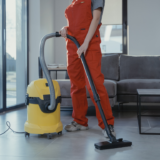
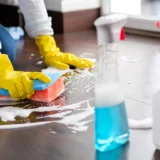
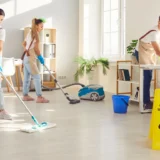
One of the biggest practical changes is the wider use of microfiber systems and low water cleaning methods.
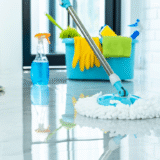
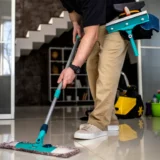
Microfiber mops and cloths reduce chemical dependence while using less water. In many facilities, they have replaced traditional wet mopping methods for daily maintenance.
Low moisture cleaning methods are also gaining adoption because they improve efficiency while reducing resource consumption.
This may sound simple, but these operational changes have had a major impact on day to day housekeeping sustainability.
Waste Reduction is Now Part of Housekeeping Scope
Waste was once treated as separate from housekeeping.
That has changed.
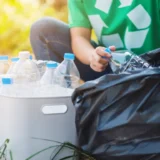
In 2026, sustainable housekeeping increasingly includes support for waste segregation, reduction of disposable consumables, and better management of cleaning related waste streams.
Examples include:
• Reduced use of single use cleaning materials
• Controlled chemical dispensing to prevent overuse
• Reusable housekeeping supplies where practical
• Better coordination with waste management teams
Housekeeping is becoming part of the waste reduction ecosystem, not separate from it.
Indoor Air Quality Has Become a Bigger Priority
Another major shift is the growing link between housekeeping and indoor air quality.
Dust control, low VOC products, filtration support, and even cleaning frequency are increasingly being evaluated not just for cleanliness, but for their impact on healthier indoor spaces.
This is particularly relevant in offices, healthcare facilities, and residential buildings where occupant wellness has become a bigger focus.
Sustainable housekeeping is now contributing to cleaner air, not just cleaner surfaces.
Data is Starting to Influence Housekeeping Decisions
One of the biggest changes in 2026 is the slow but important move toward data driven housekeeping.
Facilities are beginning to track:
• Water use in cleaning operations
• Chemical consumption patterns
• Waste reduction performance
• Cleaning frequency optimization
• Resource efficiency metrics
This matters because sustainability improves when it can be measured.
What used to be based on routine is increasingly being managed through performance.
Sustainability Expectations Are Coming From Clients
Another clear change is demand.
Clients now ask more questions.
Are sustainable products being used? Can chemical exposure be reduced? How much waste does the cleaning program generate? Are housekeeping practices aligned with ESG objectives?
These questions were far less common a few years ago.
Today they are shaping service expectations. That alone is changing how housekeeping programs are designed
Training is Becoming Part of Sustainable Housekeeping
Sustainability in housekeeping does not work through products alone. It depends on people.
Training teams on proper chemical dilution, efficient resource use, waste handling, and sustainable cleaning practices is becoming a bigger priority.
This is one of the most important changes in 2026. Because sustainable housekeeping is increasingly being driven by process and training, not just procurement.
What Has Not Changed
Despite all these shifts, one thing remains the same.
Sustainable housekeeping still has to deliver hygiene, safety, and operational reliability.
Sustainability cannot compromise cleaning outcomes.
The real progress in 2026 is not replacing cleaning standards. It is improving how those standards are achieved. That is a meaningful difference.
Conclusion
Sustainable housekeeping has clearly evolved.
It is no longer limited to green product choices or isolated environmental gestures. In 2026, it is becoming more practical, measurable, and integrated into everyday operations.
Low water cleaning, waste reduction, indoor air quality, data tracking, and workforce training are changing how sustainable housekeeping is delivered.
And this shift is likely only beginning.
For organisations looking at long term efficiency, compliance, and ESG performance, sustainable housekeeping is no longer a trend to watch. It is a practice to improve.
FAQs
1.What is sustainable housekeeping in 2026?
It refers to housekeeping practices that reduce resource use, support waste reduction, improve indoor environmental quality, and align with sustainability goals.
2. How has sustainable housekeeping changed?
It has moved beyond eco products toward measurable practices like low water cleaning, waste reduction, and data driven resource management.
3. Does sustainable housekeeping reduce costs?
In many cases, better resource efficiency and reduced chemical or water use can lower operating costs over time.
4. Is indoor air quality linked to housekeeping?
Yes. Cleaning methods, dust control, and product choices can directly affect indoor air quality.
5. Why is training important in sustainable housekeeping?
Because proper processes and staff practices are critical to making sustainability measures work consistently.