Facilities management in 2026 is being shaped by rising cost pressure, stronger compliance demands, digital adoption, and growing focus on data and workforce capability. What makes this year different is that these are no longer emerging issues. They are active operational priorities.

Budget Pressure is Reshaping Decisions
Financial pressure remains one of the biggest forces influencing facilities management. Around 75% of facility managers identify budget constraints as a major challenge, while 40% have experienced budget reductions.
That is pushing organizations to rethink how maintenance budgets are used.
Instead of broad cost cutting, the focus is moving toward:
• Extending asset life
• Reducing reactive maintenance
• Prioritizing high risk assets
• Improving long term cost planning
Cost control is becoming less about spending less and more about spending smarter.
Compliance is Becoming More Strategic
Compliance continues to command attention, with 23% planning increased investment in compliance and safety.
That signals a clear shift.
Organizations are becoming more selective in where they focus maintenance effort, giving greater attention to systems linked to safety, regulatory risk, and operational continuity.
This is helping move facilities management toward a more risk based model rather than uniform maintenance across all assets.
Digital Transformation is Moving Forward
Digital adoption continues to grow, with 50% of organizations viewing digital transformation as highly important.
At the same time, 20% still see system integration as a challenge.
That gap reflects where many organizations are today. Interest in digital tools is strong, but making systems work together remains a practical challenge.
Focus areas include:
• Predictive maintenance
• AI based monitoring
• Digital compliance tools
• Integrated asset platforms
The opportunity is not just in adding technology, but in improving how connected systems support daily operations.
Data Quality is Under Greater Scrutiny
Information accuracy is becoming a much bigger issue.
About 37% of FM teams have asset registers that are only up to 50 percent accurate, while 6% operate without an asset register altogether.
That has real implications.
Poor data can affect:
• Maintenance planning
• Compliance readiness
• Asset visibility
• Operational decision making
As facilities become more complex, reliable information is becoming essential.
Skills Gaps are Becoming Harder to Ignore
The sector is also facing growing pressure around capability.
Facilities teams are now managing digital systems, compliance demands, and more data driven operations, which requires broader skills than traditional maintenance alone.
That is driving more focus on:
• Technical upskilling
• Digital literacy
• Compliance capability
• Workforce development
Capability is increasingly being seen as part of operational resilience.
What the Numbers are Showing
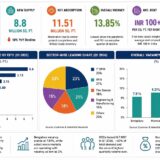
These figures point to five major pressures shaping facilities management in 2026:
• 75% face budget constraints
• 40% report lower budgets
• 23% are increasing compliance investment
• 50% see digital transformation as a major priority
• 37% face asset data accuracy challenges
Taken together, these numbers show an industry balancing financial pressure while still investing in resilience, compliance, and modernization.
Conclusion
Facilities management in 2026 is becoming more strategic, more data driven, and more focused on resilience.
The pressures are clear, but so are the priorities.
Organizations responding well to these shifts will be better positioned to improve performance, manage risk, and strengthen long term operational value.
Ready to strengthen your facility performance in 2026 and beyond? Talk to Nanya about integrated facility management solutions built for smarter, more efficient operations.
Frequently Asked Questions
1. What are the biggest facilities management trends in 2026?
Key trends include budget pressure, compliance driven maintenance, digital transformation, improved asset data management, and stronger focus on workforce capability.
2. Why is digital transformation important in facilities management?
Digital tools help improve maintenance planning, asset visibility, compliance tracking, and operational efficiency through smarter data driven decisions.
3. How is budget pressure affecting facilities management in 2026?
Budget constraints are pushing organizations to prioritize critical assets, reduce reactive maintenance, and focus on more efficient long term planning.
4. Why is data accuracy important in facility management?
Accurate asset data supports better maintenance decisions, reduces compliance risks, improves audit readiness, and helps optimize facility performance.
5. How can integrated facility management improve operational performance?
Integrated facility management improves coordination, strengthens accountability, supports compliance, and helps optimize costs through a structured service approach.