Short answer: Global Capability Centres (GCCs) expect a building to run to their parent company’s global standards: measurable uptime, documented safety and compliance, regular reporting, sustainability data and fast, tracked responses. For owners and facility teams in Bengaluru, that means moving from “we’ll handle it” to evidence they can see.
Why this matters now
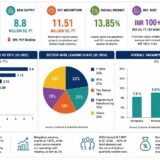
GCCs are now the biggest single source of office demand in India. According to CBRE, Global Capability Centres took about 42% of India’s office leasing between January and September 2026, roughly 28 million sq ft, up 16% on the same period last year. Bengaluru is one of the largest GCC markets.
A GCC lease is usually long, large and visible inside a global company. Keeping that tenant happy depends heavily on how the building runs.
What GCC tenants typically ask for
1. Uptime they can measure
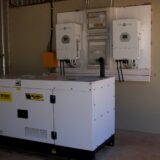
Power, cooling, lifts and connectivity have to be available when the tenant’s teams work, which can mean round the clock. Expect questions about DG backup capacity, UPS, chiller redundancy and how quickly a fault is fixed.
2. Response times written into the contract
Not “prompt support”, but defined response and resolution times by priority, and a monthly report that shows whether they were met.
3. Safety and compliance on record
Fire safety systems tested and logged, statutory approvals current, permits for risky work, incident and near-miss reporting. Global tenants are audited by their own headquarters and will ask to see your documents.
4. Sustainability data
Energy and water use, waste segregation and diversion, refrigerants, and green building certifications. Many GCC parents report on ESG and want building-level data for it.
5. Reporting and transparency
A regular report covering planned maintenance completed, complaints raised and closed, energy trends and compliance renewals coming up. Ideally, access to the maintenance system itself.
6. People they can trust
Trained, verified staff with clear supervision, statutory wages and benefits paid, and background checks for anyone with access to secure areas.
What this means for building owners
- Get your asset records in order. Every major asset listed, tagged and with a maintenance history.
- Put planned maintenance in a system, not a register, so you can show what was done and when.
- Build a compliance calendar with every approval, inspection and renewal date.
- Start measuring energy and water floor by floor if you can. You’ll be asked.
- Agree SLAs before the tenant moves in, not after the first complaint.
Owners who can show this evidence during leasing talks have an advantage, because the GCC’s workplace team will ask for it.
Where an integrated FM partner helps
A GCC’s workplace team wants one accountable point of contact for the building, not five vendors. An integrated facilities management partner brings technical services, soft services, compliance and reporting under one contract, with one set of SLAs and one monthly report.
How Nanya Realty supports GCC-ready buildings
We run buildings in Bengaluru on a digital maintenance platform, with planned maintenance schedules, work orders, inventory and compliance tracking, and we carry out energy, water, EHS and ESG audits. If you’re preparing a building for a global tenant, or one has just moved in, call +91 98804 94957 or contact us. Our checklist for choosing a facility management company is a good place to start.
Frequently asked questions
What is a GCC?
A Global Capability Centre is an offshore unit of a multinational company that handles functions such as technology, engineering, research, finance or operations for the parent company.
Why do GCCs care about facility management?
Their teams’ productivity, safety and compliance depend on the building running reliably, and their headquarters audit them against global standards.
What reports should a facility team give a GCC tenant?
Planned maintenance completed against schedule, complaints and SLA performance, energy and water use, incidents, and upcoming compliance renewals.
Do GCCs need 24/7 facility management?
Many do, especially those supporting teams in other time zones. Ask the tenant for their operating hours and critical systems before agreeing on staffing.