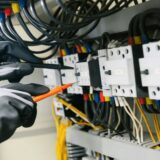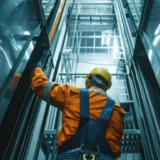
Short answer: hard services look after the building’s physical systems: electrical, HVAC, plumbing, lifts, fire systems and the structure itself. Soft services look after the people and the space: housekeeping, security, pest control, landscaping, front desk and similar. Hard services keep the building working and safe. Soft services make it clean, secure and pleasant to use.
Hard services: the building’s systems
Hard services are about fixed assets that are part of the building. They are usually technical, often regulated, and a failure can stop the building working.
| Hard service | What it includes |
|---|---|
| Electrical | HT/LT panels, transformers, DG sets, UPS, lighting, earthing |
| HVAC | Chillers, AHUs, ventilation, cooling towers |
| Plumbing and water | Pumps, tanks, STP and WTP, drainage |
| Vertical transport | Lifts and escalators |
| Fire and life safety | Detection, alarms, sprinklers, hydrants, extinguishers |
| Building management | BMS, access control, CCTV infrastructure |
| Civil and structural | Roof, facade, waterproofing, repairs |
Many of these need licensed technicians and periodic statutory inspections.
Soft services: the people and the space
Soft services are about how the building is used day to day. They are more visible to occupants, and usually labour-intensive.
| Soft service | What it includes |
|---|---|
| Housekeeping | Daily cleaning, washrooms, deep cleaning |
| Security | Guarding, access control desks, patrols |
| Pest control | Scheduled treatments and inspections |
| Landscaping | Gardens, indoor plants |
| Front office | Reception, visitor management, mailroom |
| Waste management | Segregation, collection, recycling |
| Pantry and cafeteria support | Supplies, cleaning, vendor coordination |
Why the line between them matters less than you think
On paper, hard and soft services look separate. In a real building they meet all the time:
- A housekeeping supervisor is often the first to spot a leak or a tripped light.
- Security staff manage after-hours access for contractors doing technical work.
- A washroom complaint can be a plumbing fault, not a cleaning one.
- Energy savings depend on both: an efficient chiller, and someone switching off lights in empty floors.
When the two are run by different vendors, these handovers are where things fall through the gaps, and the owner or admin team ends up coordinating.
Separate vendors or integrated facility management?
Separate vendors can work for a small building with simple systems. You get specialists, but you manage the contracts, schedules and complaints yourself.
Integrated facility management puts hard and soft services under one contract and one accountable team. You get one point of contact, one set of SLAs and one monthly report. For larger buildings, it usually cuts the coordination work and makes problems easier to trace.
If you’re weighing up options, our checklist for choosing a facility management company and our guide to what drives facility management costs may help.
How Nanya Realty runs hard and soft services
Our teams handle technical services, soft services, statutory compliance and AMC management together for commercial buildings, offices and residences in Bengaluru, on one digital maintenance platform. To talk about your building, call +91 98804 94957 or contact us.
Frequently asked questions
Is security a hard or soft service?
Guarding and front-desk security are soft services. The systems behind them, such as CCTV and access control hardware, are usually treated as hard services.
Is HVAC maintenance a hard service?
Yes. HVAC is one of the core hard services, along with electrical, plumbing, lifts and fire systems.
Which costs more, hard or soft services?
Soft services usually need more people, so manpower costs are higher. Hard services need more skilled staff, spares and AMCs, and failures cost more.
Can one company provide both hard and soft services?
Yes. That’s integrated facility management. It works best when the provider has qualified technical staff, not just housekeeping and security teams.