Artificial Intelligence is no longer a technology reserved for software companies and data scientists. It is rapidly becoming a practical tool for property owners, facility managers, and real estate operators looking to improve building performance, reduce costs, and create better experiences for occupants.
The property and facility management industry has traditionally relied on manual inspections, scheduled maintenance, and reactive problem solving. While these methods have served the industry for decades, they often result in unexpected breakdowns, operational inefficiencies, and higher maintenance costs.
Today, AI is helping organizations shift from reactive management to predictive and data driven operations. From monitoring building systems and optimizing energy consumption to analyzing lease agreements and improving workplace experiences, AI is transforming how modern buildings are managed.
Predictive Maintenance is Reducing Downtime and Costs
Instead of waiting for equipment to fail, AI powered systems continuously analyze operational data from building assets such as HVAC systems, elevators, electrical infrastructure, and mechanical equipment. By identifying unusual patterns and early warning signs, these systems can predict failures before they occur.
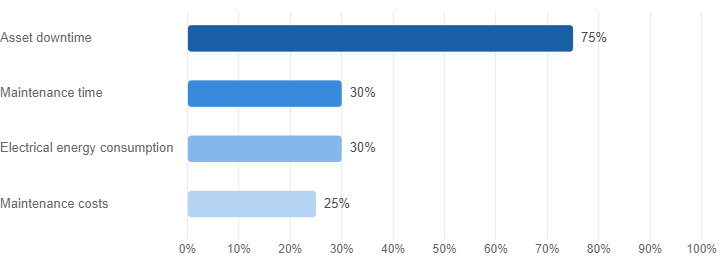
The impact is significant. According to the Forbes Technology Council article, organizations using AI driven building management solutions have reported:
- Up to 75% reduction in asset downtime
- Around 25% reduction in maintenance costs
- Up to 30% reduction in maintenance time
For commercial properties, these improvements can translate into fewer disruptions, lower repair expenses, and longer asset life cycles. Rather than responding to emergencies, facility teams can focus on planned interventions that keep buildings running efficiently.
Buildings are Becoming Smarter and More Responsive
Modern buildings generate enormous amounts of data every day. Sensors monitor temperature, occupancy, humidity, lighting, air quality, and energy usage across multiple systems.
AI helps transform this information into actionable insights. Building operators can identify inefficiencies, detect performance issues, and make informed decisions in real time.
Instead of managing buildings based on assumptions, organizations can rely on continuous analysis that supports smarter operational planning.
This shift is helping property managers move from traditional building management toward intelligent building operations.
Energy Optimization is Supporting Sustainability Goals
As businesses focus more on sustainability and ESG performance, AI is becoming an important tool for reducing environmental impact.
The Forbes article highlights how AI can analyze energy consumption patterns and identify opportunities to improve efficiency across building operations.
Through intelligent monitoring and optimization, organizations have achieved approximately 30% savings in electrical energy consumption.
AI can also help property owners understand future carbon related risks, evaluate sustainability initiatives, and identify building improvements that support long term environmental goals.
For large commercial portfolios, these capabilities create both financial and sustainability benefits. Lower energy consumption not only reduces operating costs but also contributes to broader corporate sustainability objectives.
Digital Twins are Transforming Building Planning
A digital twin is a virtual model of a physical building that mirrors real world conditions and performance. It allows property managers and facility teams to simulate different scenarios before implementing changes in actual operations.
Rather than relying on trial and error, teams can evaluate potential outcomes in a virtual environment.
The Forbes article notes that organizations using digital twin technology have achieved:
- Approximately 25% reduction in maintenance costs
- Up to 30% reduction in maintenance time
- More than 40% savings in thermal energy consumption
For complex commercial buildings, these efficiencies can significantly improve operational performance while reducing long term costs.
AI is Simplifying Property Management Tasks
The impact of AI extends beyond physical building operations.
Property managers often spend considerable time reviewing lease agreements, extracting key information, and managing large volumes of documentation.
AI powered lease intelligence platforms are changing this process.
According to the article, some systems achieve 90% to 97% accuracy when analyzing standard commercial lease terms. What once required four to six hours of manual review can now be completed in less than fifteen minutes.
For property management teams handling large portfolios, this creates opportunities to improve efficiency, reduce administrative workloads, and make faster business decisions.
A New Era of Intelligent Buildings
One of the most exciting developments discussed in the Forbes article is the rise of Agentic AI.
Unlike traditional automation systems that simply follow predefined rules, Agentic AI can adapt to changing conditions and make decisions autonomously.
These systems can help optimize meeting room usage, resolve scheduling conflicts, adjust environmental settings, and improve workplace experiences without constant human intervention.
As buildings become more connected, AI will play an increasingly important role in supporting daily operations and improving occupant satisfaction.
From reducing asset downtime by up to 75% and lowering maintenance costs by 25% to improving energy efficiency and accelerating lease administration, AI is helping organizations operate smarter, more efficient buildings.
The companies that embrace these technologies today will be better positioned to improve asset performance, control operating expenses, support sustainability goals, and deliver better experiences for occupants.
AI is not replacing property and facility management professionals. It is giving them better tools to manage increasingly complex buildings and portfolios in a rapidly evolving world.
At Nanya, we combine operational expertise with modern facility management practices to help organizations improve building performance, workplace experience, sustainability outcomes, and long term asset value. As technology continues to reshape the industry, we help businesses build smarter and more efficient environments.