Short answer: a commercial building in Bengaluru has to keep a set of approvals, licences and records current. These include the fire NOC, lift licences, electrical safety approvals for HT installations and DG sets, pollution control consents for the STP and DG sets, water quality tests, and labour records for everyone working on site. Nanya Realty keeps all of them on one compliance calendar for each building, with an owner and a renewal date against every item. You can see its status at any time.
What a commercial building usually needs to keep current
| Area | What it covers | Who it involves |
|---|---|---|
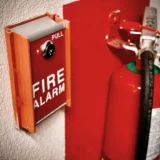
| Fire safety | Fire NOC and its renewal, upkeep of fire alarms, sprinklers, hydrants and fire pumps, extinguisher refills, mock drills | Karnataka State Fire and Emergency Services |
| Lifts and escalators | Licence to operate, periodic inspections and renewals, OEM maintenance records | Electrical Inspectorate, under the Karnataka Lifts, Escalators and Passenger Conveyors Act |
| Electrical installations | Approval and periodic inspection of HT installations, transformers and DG sets, earthing test records | Electrical Inspectorate |
| Pollution control | Consent to operate for the building’s STP and DG sets, STP outlet water tests, DG emission and noise checks | Karnataka State Pollution Control Board (KSPCB) |
| Waste | Disposal of used DG oil, batteries and e-waste through authorised recyclers, with records kept | Authorised recyclers, KSPCB |
| Water | Drinking water quality tests, tank cleaning records, borewell registration where applicable | Accredited labs, Karnataka Ground Water Authority |
| Labour and staffing | Contract labour registration and licences, PF, ESI and wage records for every site worker | Labour department, EPFO, ESIC |
| Pest control and hygiene | Service records and certificates | Licensed pest control providers |
Which items apply depends on the building’s height, use, occupancy and equipment. This page is a practical guide, not legal advice. We confirm the exact list for each building when we take it over.
How we run the compliance calendar
- Collect every document on takeover. We gather each certificate, licence and consent with its issue date, validity and conditions. If something is missing or has expired, you hear about it in the first week, not at the next inspection.
- Put every renewal on one calendar. Each item gets a due date, a lead time for the application, and a named person responsible.
- Link it to maintenance. Most renewals depend on maintenance being done and recorded: fire system tests, lift inspections, DG load tests, STP water tests. These sit on the same 52-week planned maintenance calendar (how the calendar works).
- Keep the evidence. Test reports, service records and certificates are stored against each asset, ready for an inspector, an insurer or a tenant’s audit team.
- Report every month. Your monthly report shows what was renewed, what is due in the next 90 days, and anything at risk.
Why this matters more than it used to
Large tenants, especially Global Capability Centres, now ask landlords for compliance evidence before they sign and at every audit after. A missing fire NOC or an expired lift licence can delay a lease, fail an insurance claim, or shut part of a building. Most of these problems aren’t hard to prevent. They happen because nobody owned the date. (What GCC tenants expect from a building.)
A few of the checks behind the paperwork
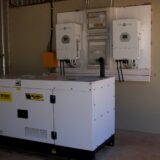
- DG sets: regular load tests, fuel quality, battery health, and emission and noise checks (our DG set checklist)
- Fire systems: pump runs, alarm and sprinkler tests, hydrant pressure, extinguisher refills, and drills with tenants
- Lifts: OEM maintenance visits, rescue drills, and inspection readiness
- STP: daily logs, treated water tests and sludge disposal records
- Site staff: monthly proof that PF, ESI and wages were paid for everyone working in your building
Frequently asked questions
Who is responsible for a building’s statutory compliance, the owner or the FM company?
Legally, the owner or occupier holds most approvals. In practice, the facility management company should run the calendar, do the maintenance the approvals depend on, prepare the applications and keep the evidence. Agree this in writing in the contract.
Can you take over compliance if we already have a maintenance vendor?
Yes. We can run compliance management on its own, working with your existing vendors, or as part of integrated facility management.
What happens if we find an approval has already lapsed?
We tell you straight away, explain what’s needed to fix it, and prepare the application and supporting test reports. Finding lapsed approvals is one of the most common results of our takeover surveys.
Do tenants get to see compliance records?
With your permission, yes. Many corporate tenants ask for them, and having them ready makes leasing and renewals easier.
How often do approvals need renewing?
It varies by item and by building. Some certificates are valid for a year, others for longer, and some have conditions attached. Each building’s calendar is built from its own certificates, not from a generic list.
Talk to us
Not sure what’s current in your building? We’ll review your approvals and give you a list of what’s due, what’s missing and what to do first. Call +91 98804 94957 or use the contact page.